
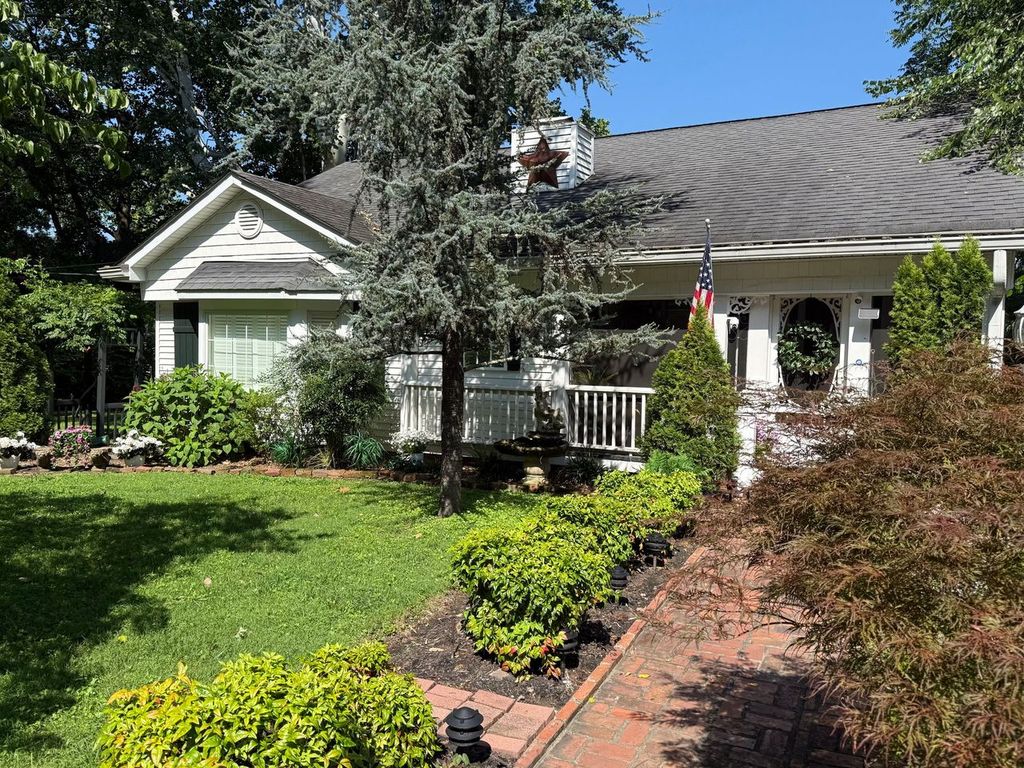
One year after the passing of Grand Ole Opry icon Jeannie Seely, her beloved Cumberland River home continues her legacy in a deeply personal way—by opening its doors to songwriters, storytellers, and musicians who can find inspiration in the same peaceful surroundings that meant so much to her.
Known affectionately as ‘Pennsyltucky,’ the riverfront cottage was named by Seely after her 1973 song “Farm in Pennsyltucky,” a nod to her Pennsylvania roots and her adopted Southern home. Rather than preserve the property as a static memorial or transform it into a traditional museum, it is becoming a living tribute to Seely and her lifelong passion for music, friendship, and songwriting.

Seely’s riverfront home is not a magnificent mansion as many a country star of her caliber would have, but a homey and peaceful abode that brought comfort to Jeannie herself and those who visited. No amount of money can take the place of the view and serenity.
Ron Harman, who oversees The Jeannie Seely Trust, stated, “She enjoyed that view, and it gave her inspiration, and she was so happy that we use it to give others inspiration. It’s not a big mansion on a hill. It’s a small cottage by the river. But that’s what she loved about it.”
Early on, Jeannie Seely wrote songs recorded by numerous legendary country artists and performers across various genres, most notably Faron Young, Willie Nelson, and Merle Haggard, and even pop artists like Boyz II Men and Seal. But later, when scheduled songwriting sessions became common on Music Row, Seely was apprehensive about going in without a good idea. (However, she always had a good idea.)
It was the prolific songwriter Erin Enderlin who encouraged her to write at her home. They got together and wrote “Like I Could” with Bobby Tomberlin at her house. It was later recorded by Rhonda Vincent, and it went to No. 1 on the Bluegrass charts.
“I absolutely loved writing with Jeannie,” said Enderlin. “She was so creative, and fast. She was usually talking about three or four song ideas while I was trying to write just one. The pure joy that just poured from her when she was creating was so inspiring. She was fearless in her writing.”
Enderlin was also one of the first songwriters to use the ‘Pennslytucky’ home for songwriting once Seely passed, where she recently wrote alongside Brittany Moore and Stephanie Joyce.
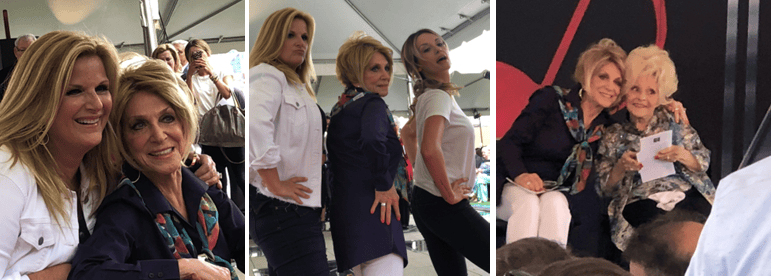
Jeannie Seely has been an inspiration to so many rising female singer/songwriters like Trisha Yearwood and Carly Pearce, who were both present when she was awarded her star on Nashville’s Walk of Fame in August of 2018.
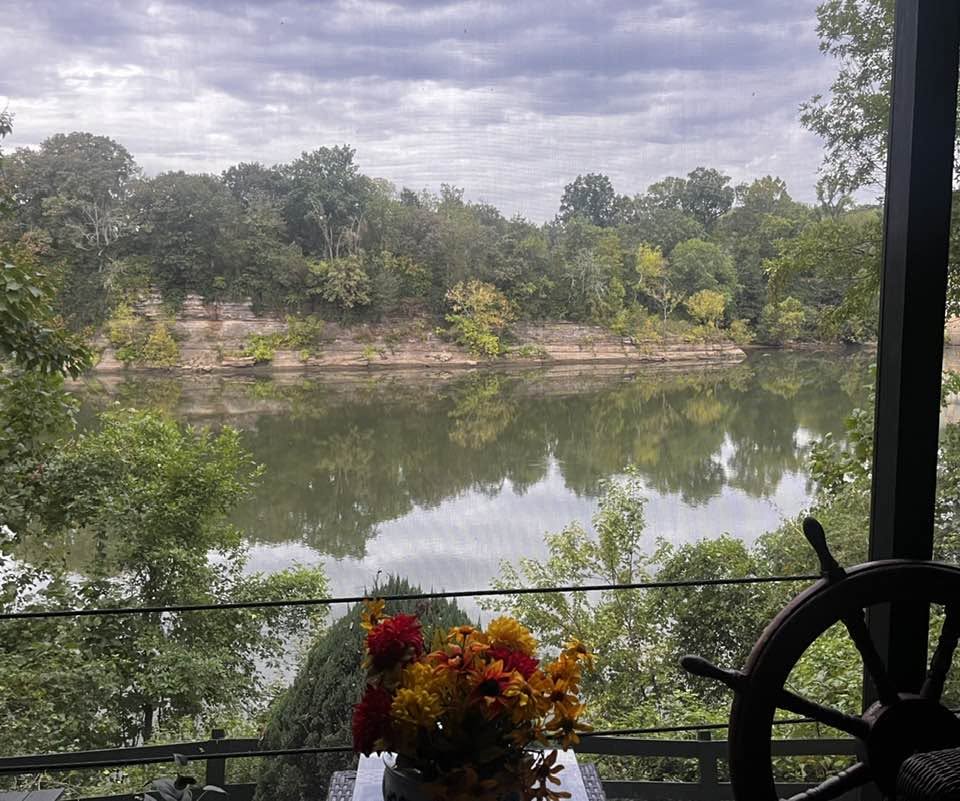
Another artist who was greatly influenced by Seely is Jenny Tolman. She stated of her home: “It’s right on the water, runs right along the river, and has a beautiful screened-in back porch. Just the physical vibe is great, but the spiritual vibe is even greater because she was such an incredible energy to be around, like a spitfire.”
Tolman continued, “I think that lives on within those walls, and just the music that was made there, that she wrote there. She wrote there all the time. The fact that she wanted it to be opened so girls could come specifically and write in her home, where she was so inspired, shows the love that exists there. I can imagine all the beautiful songs that are going to come out of there and all the funny, sassy songs that she left behind for us to find.”
Also recorded on her back porch was “Sundays with Seely,” which aired on the Willie’s Roadhouse channel of SiriusXM. The show aired from 2018 to the week of Seely’s passing.
Outside the Pennsyltucky home, a red barn modeled after the Grand Ole Opry backdrop stands beside the cottage, while oversized “OPRY” letters pay tribute to the institution that was at the center of Seely’s life and career. She joined the cast in September 1967 and remained a dedicated member for 57 years until her passing in August 2025. Seely performed on the Grand Ole Opry stage a record 5,397 times during her historic career, more than any other artist to date. The public memorial service that was held at The Opry was symbolically celebrated as her 5,398th appearance.
As for the songwriter’s haven, Harman advised, “We’ve tried to keep it like Jeannie had it, but I’ve added things too, and like a music library and things so that people that go there can learn about Jeannie if they don’t know about her, and pictures and awards and things, memorabilia, so they can learn about Jeannie that way, but still keep the feel of her living there. We haven’t turned it into a museum or into anything other than that because we want to make it feel like it was home.”
When someone comes to do a songwriting session, Harman will gladly give them a tour of the house and explain the photos and memorabilia throughout, often items gifted to her by other artists like Willie Nelson or Dolly Parton.
Dolly and Jeannie Seely had been friends since the 1960s when Dolly replaced Jeannie (who replaced Norma Jean) on Porter Wagner’s show. Seely used to quip, “Her hits were bigger than mine.”
Harman shared, “They were sisters in the music industry. They got along and shared it all.”
Dolly phoned Jeannie just days before she passed.
Harman said of Dolly’s passing, “I know Jeannie was there to welcome Dolly, and what a great reunion that was.”
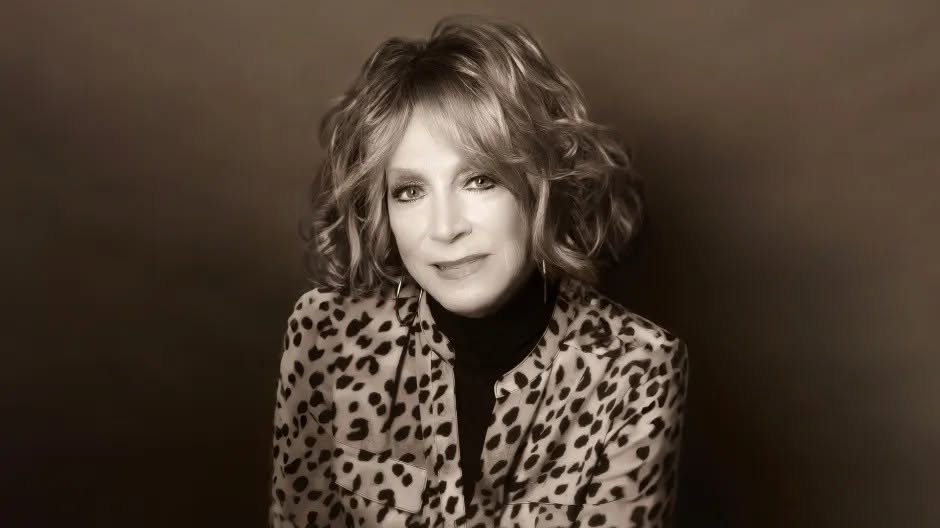
‘Pennsyltucky’ now stands as a place where Seely’s legacy can move forward—not simply through memories of the songs she wrote, the stages she graced or the artists she mentored, but through new songs created in the same setting that inspired her.
The property is not intended to be a tourist attraction, Airbnb, or conventional walk-through museum. Instead, it preserves the intimate atmosphere Seely created there for decades while allowing new generations of songwriters to experience the same creative environment.
Inquiries for writing sessions at ‘Pennsyltucky’ can be made by emailing Seely’s website at JSeelyWebsite@comcast.net.
– – –
Bethany Bowman is a freelance entertainment writer. You can follow her blog, Instagram, and TikTok.


I once struggled with finding the right atmosphere for my own writing. Sometimes the quietness of a specific location is the only thing that allows my thoughts to flow.
LikeLiked by 1 person